Dog Car Sickness: Why It Happens and How to Help
19 July 2026 · 3 min read
If your dog starts drooling excessively, panting heavily or being sick within the first few minutes of a car journey, they're not being dramatic — car sickness in dogs is genuinely common, especially in puppies and young dogs, and it's worth taking seriously rather than just working around it.
Why It Happens
Motion sickness in dogs comes down to a mismatch between what their inner ear is sensing and what their eyes are seeing, similar to how it works in people — and it's made worse in dogs by anxiety, since a lot of dogs only associate the car with stressful trips (the vet, being left somewhere) rather than anything positive. Puppies are especially prone to it because the structures in the inner ear responsible for balance aren't fully developed yet, which is one reason a lot of dogs seem to grow out of it as they get older.
Positioning Makes a Genuine Difference
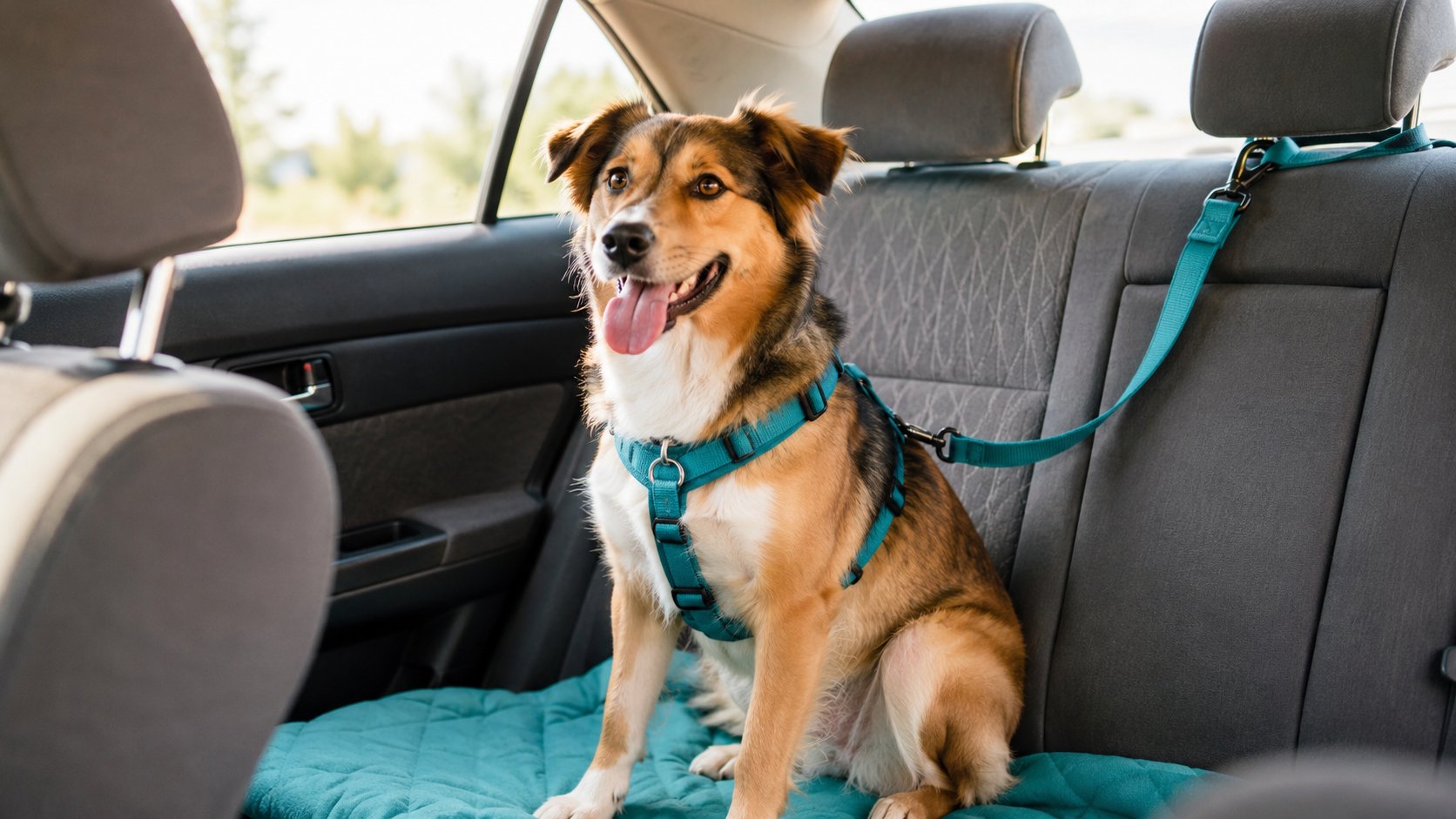
Dogs who can see out of the window and are positioned low and stable, rather than able to slide around the back seat, tend to cope noticeably better. This is one of the practical reasons a proper restraint matters beyond the legal side of things (covered in our guide to UK dog car travel rules): the Bora Paw RoamLead — Hands-Free Dog Lead keeps your dog in a stable position in the back seat rather than sliding into corners on every turn, which for a lot of dogs meaningfully reduces the sick feeling in the first place.
Keeping the Back Seat Manageable
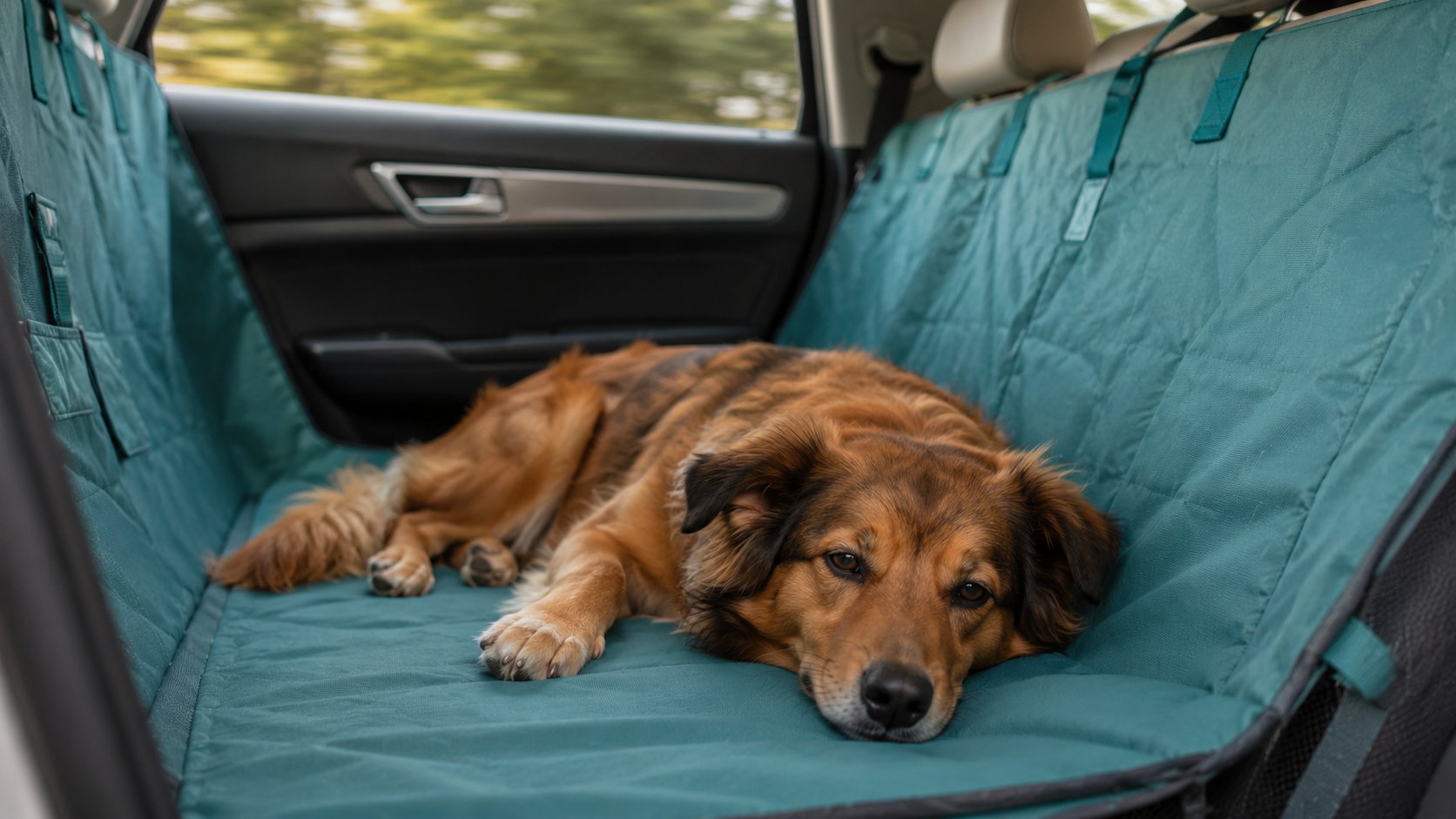
Even with the best preparation, car sickness sometimes happens anyway, and having a washable, protective layer down makes the aftermath far less stressful for everyone. The Bora Paw Backseat Den — Dog Car Seat Cover protects the seats underneath and is far easier to clean than upholstery, so one bad journey doesn't mean a ruined car interior.
Building Up Tolerance Gradually
For dogs who are anxious rather than just physically motion sick, short, low-pressure trips that don't end at the vet help build a better association over time — round the block and straight home, with no big event at the end, done a few times a week until the car itself stops being a signal that something stressful is about to happen.
For Very Short, Local Trips
For small dogs or puppies who only need to go a short distance — a quick vet visit, a trip to a friend's — sometimes avoiding the car altogether is the simplest option. The Bora Paw Little Lift — Dog Carrier is a genuinely comfortable alternative for short journeys on foot or public transport, without the motion that triggers sickness in the first place.
When It's Worth Speaking to a Vet
If your dog is still being sick on every journey despite a stable, comfortable setup, or the anxiety seems to be getting worse rather than better with gentle exposure, it's worth a conversation with your vet. There are genuine medical options for persistent motion sickness, and there's no need for every car journey to be something you both dread.