What to Do If Your Dog Goes Missing: A UK Owner's Prevention Checklist
7 July 2026 · 4 min read
Most dogs who go missing are found within a few hours — but those hours are some of the worst any owner goes through, and how quickly your dog gets found usually comes down to decisions made well before they ever slipped out the gate or off the lead.
Here's what actually helps, and what the law in the UK already requires you to have in place.
What the Law Actually Requires
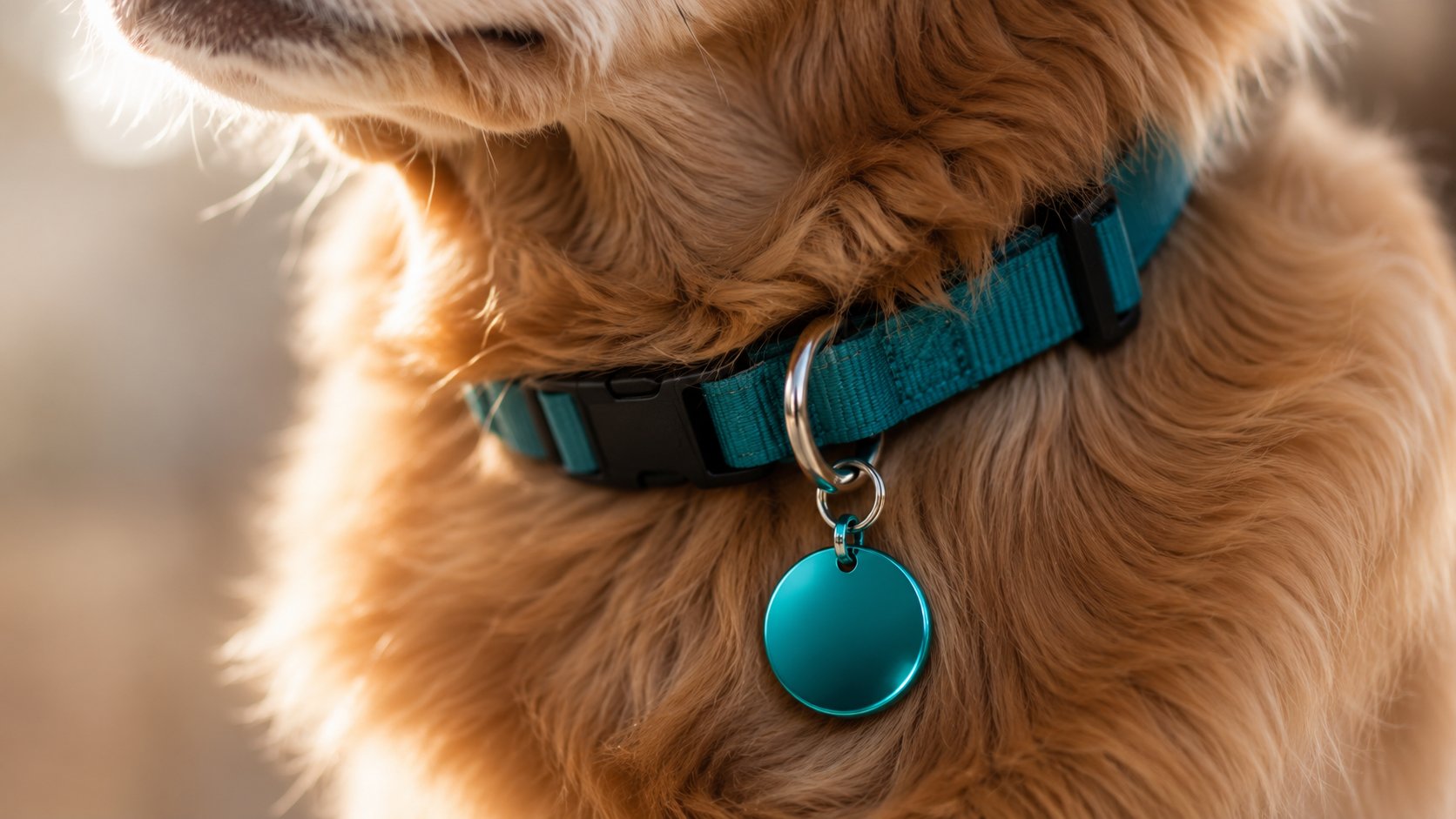
Under the Control of Dogs Order 1992, any dog in a public place in England and Wales must wear a collar with the owner's name and address on it, either engraved on the collar or on a separate tag attached to it. This is a separate legal requirement from microchipping, which has been compulsory for dogs in England since 2016. The two work together rather than replacing each other: a microchip is what confirms ownership once a dog has already been found and taken somewhere to be scanned, while a collar tag is what lets any member of the public contact you directly and immediately, without needing a vet, a scanner or a trip to a rescue centre.
In practice, this means a microchip alone doesn't meet the legal requirement, and it's also simply slower in the moment a dog is found wandering.
The Single Most Useful Thing You Can Do
A clear, current, easy-to-read ID tag is the difference between a dog being found in minutes and a dog sitting in a stranger's garden for hours while they try to work out what to do. The Homeward Tag — Personalised Pet ID Tag is made from stainless steel rather than the softer aluminium used on a lot of standard tags, so the engraving stays legible for longer, and both sides can be personalised — useful if you want a phone number on one side and an address or a second contact on the other.
Where Dogs Actually Go Missing From
It's tempting to picture a dog escaping mid-walk, but a huge number of missing-dog cases start at home: a delivery driver leaves a gate open, a firework goes off nearby and a dog bolts through an unlatched door, or a dog slips out of a collar that's become loose over time. It's worth physically checking that your dog's collar and tag are secure roughly once a month, not just when you first buy them.
During Travel and Unfamiliar Places
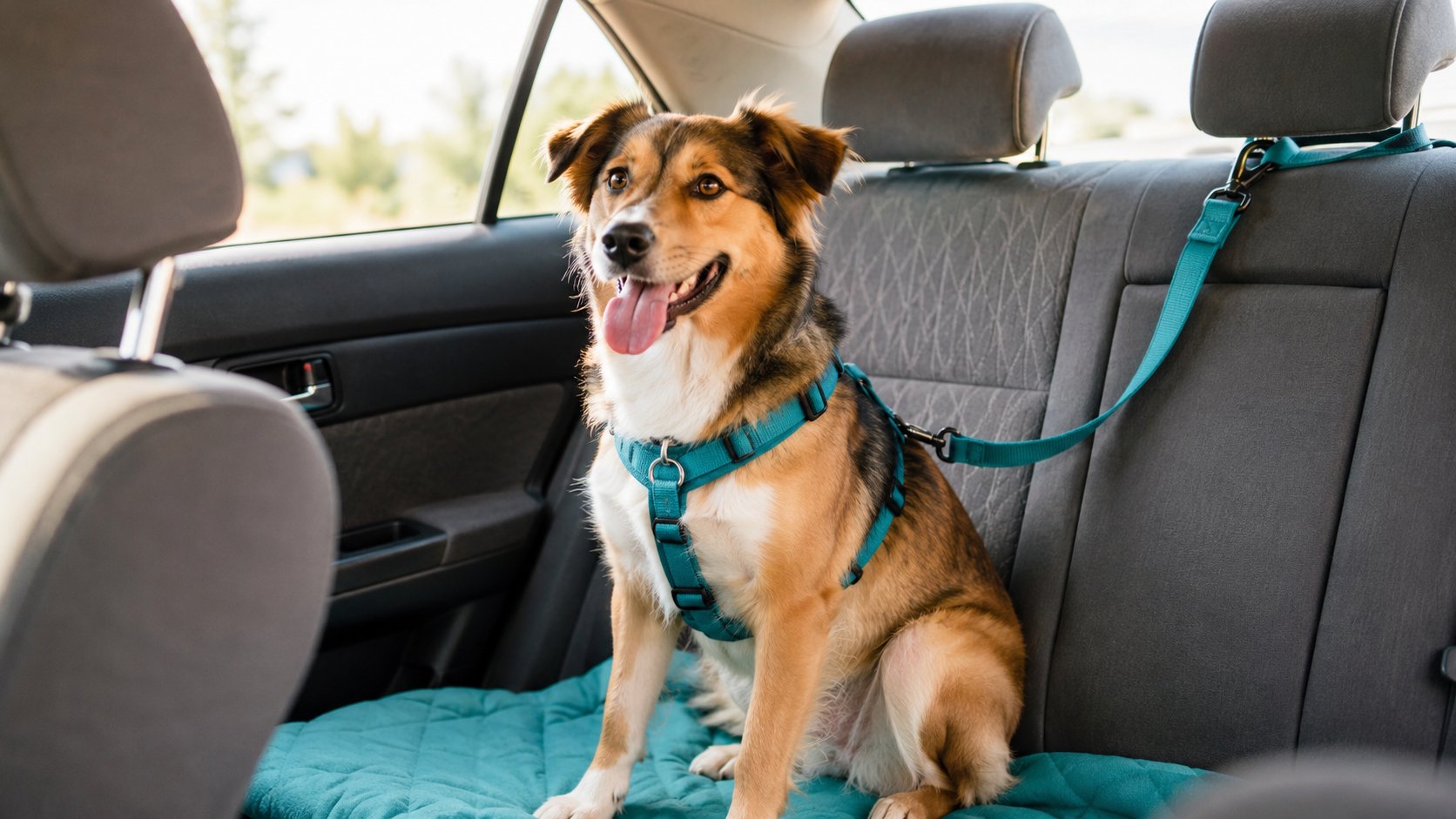
Dogs are also more likely to bolt somewhere unfamiliar — a service station, a new holiday cottage, a busy car park — simply because they're more anxious and less oriented than they are at home. This is one more reason a secure car restraint matters on top of comfort: the Bora Paw RoamLead — Hands-Free Dog Lead keeps your dog contained in the back seat right up until you deliberately let them out, rather than relying on them staying put on their own.
If Your Dog Does Go Missing
Start local and start fast: check anywhere they could have physically got to within a few minutes' walk before widening the search, and let neighbours know straight away rather than searching alone for an hour first. Post to local lost-and-found groups with a clear, recent photo, and contact local vets and the dog warden service for your area, since found dogs are often taken straight to one or the other. Most dogs are recovered close to home, which is exactly why the basics — a legible tag, a secure collar, a quick network of neighbours — do more than almost anything else you could buy or do after the fact.