How to Stop Your Dog Pulling on the Lead
27 July 2026 · 4 min read
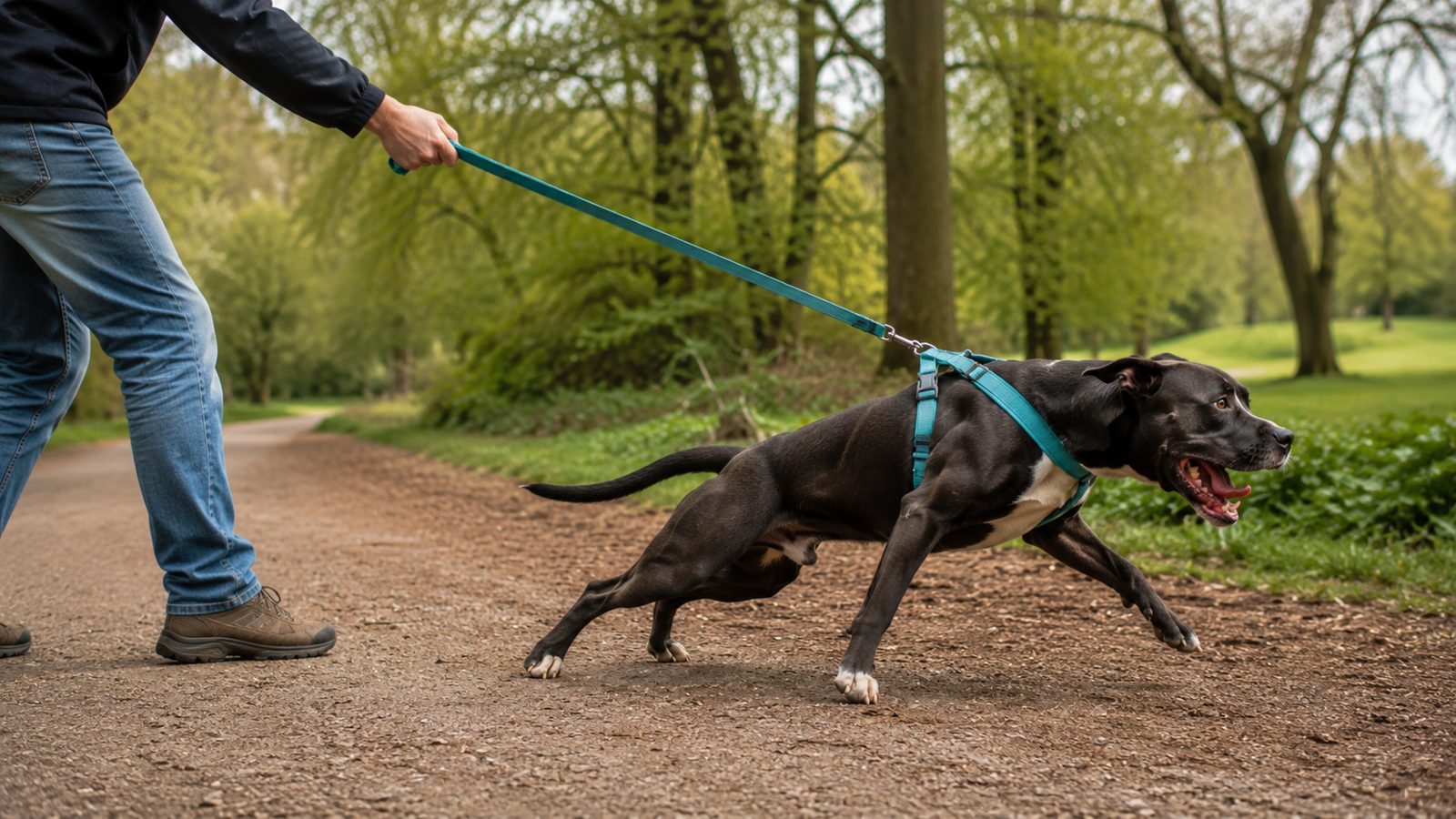
A dog that pulls doesn't do it to be difficult — pulling usually just works, in the sense that it gets your dog where they want to go faster. The fix isn't about strength or correction, it's about making pulling stop being the thing that gets results.
Why Dogs Pull in the First Place
Dogs walk faster than most people naturally do, and the world outside is genuinely more interesting to them than whatever pace you're setting. If pulling has ever gotten your dog to the interesting smell, the other dog, or the park gate faster, they've learned that pulling works — and dogs repeat what works. The good news is that this also means the opposite is trainable: if pulling reliably stops progress instead of speeding it up, most dogs adjust their behaviour fairly quickly.
The Stop-and-Stand Method
This is the simplest and most widely used approach for a reason: the moment the lead goes tight, stop walking completely and just stand still. Don't yank the lead back, don't say anything dramatic — just stop, and wait for any slack to reappear in the lead (even a step back or a head turn towards you counts), then carry on. It feels painfully slow the first few walks, since you might only cover a fraction of your usual distance, but dogs generally start offering slack on their own within a couple of weeks of consistent practice.
Changing Direction Instead of Stopping
Some dogs respond better to a change of direction than a full stop — the moment the lead tightens, calmly turn and walk the other way, without warning or drama. This keeps your dog checking in on where you are rather than switching off and forging ahead, since they never quite know which way you'll go next.
Reward Position, Not Just Behaviour
Rather than only correcting pulling, it helps to actively reward your dog for walking near you. A treat dropped at your side every so often when the lead is loose teaches your dog that the position next to you is a good one to be in, not just a place you drag them back to.
Why Equipment Matters More Than People Expect
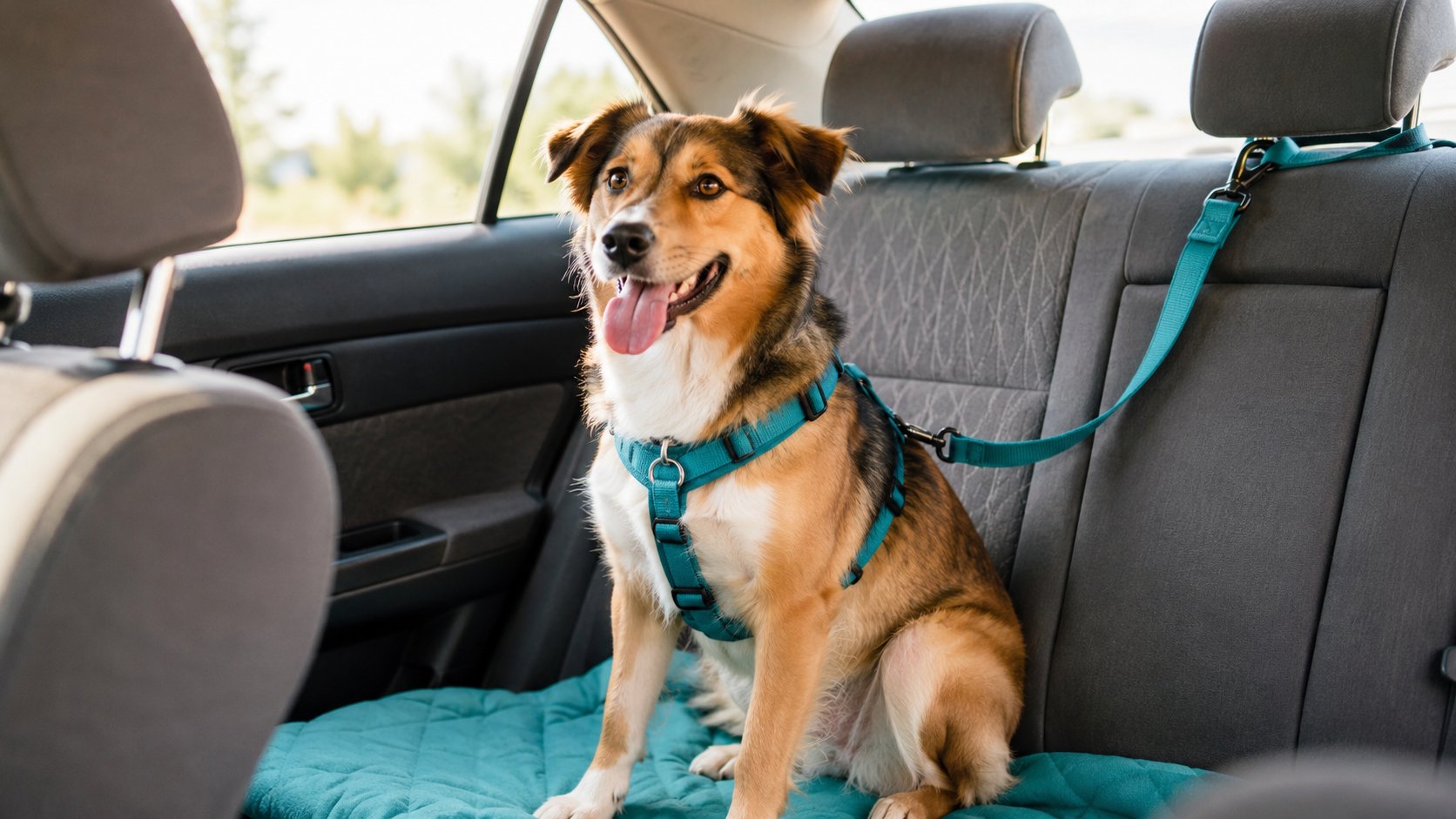
Equipment matters more than people expect, too. A lead with a built-in shock-absorbing section takes the sudden jolt out of a hard pull, instead of it landing entirely on your hand, wrist and shoulder — which makes it easier to hold a calm, consistent stop-and-stand routine, since a jarred hand gives up on the technique long before well-designed kit does. The Bora Paw RoamLead has this built in, along with a 360° anti-tangle swivel connector that stops one hard pull from yanking the lead sideways — it doubles as a 2-in-1 dual dog car restraint, so it earns its keep in the car as well as on the pavement.
Consistency Matters More Than Any Single Technique
The single biggest reason loose-lead training fails isn't the wrong method — it's inconsistency. If pulling gets rewarded with forward progress even one walk in five, your dog learns that pulling sometimes works, which is enough to keep them trying it every time. Picking one approach and sticking with it on every single walk, even the rushed ones, gets results far faster than switching methods every few days looking for something quicker.
When to Get Extra Help
Most pulling is simple excitement and habit, and responds well to consistent practice at home. If your dog pulls specifically towards or away from something — another dog, a person, a particular trigger — in a way that looks more like fear or frustration than excitement, that's worth working through with a qualified trainer rather than lead technique alone, since the underlying cause needs addressing too.