Is It Illegal to Walk Your Dog Without a Lead in the UK?
24 July 2026 · 4 min read
It's one of the most-searched dog questions in the UK, and the honest answer is: it depends where you are. There's no single law that says every dog must be on a lead everywhere, all the time — but there are several specific situations where the law is very clear, and getting it wrong can mean a fine, or worse.
The Short Answer
Off-lead walking is generally legal in parks, beaches and open countryside, as long as your dog is genuinely under control and no local restriction says otherwise. Where it stops being a grey area is roads, certain access land during nesting season, land with livestock, and anywhere a local council has put a specific restriction in place.
On or Near Roads
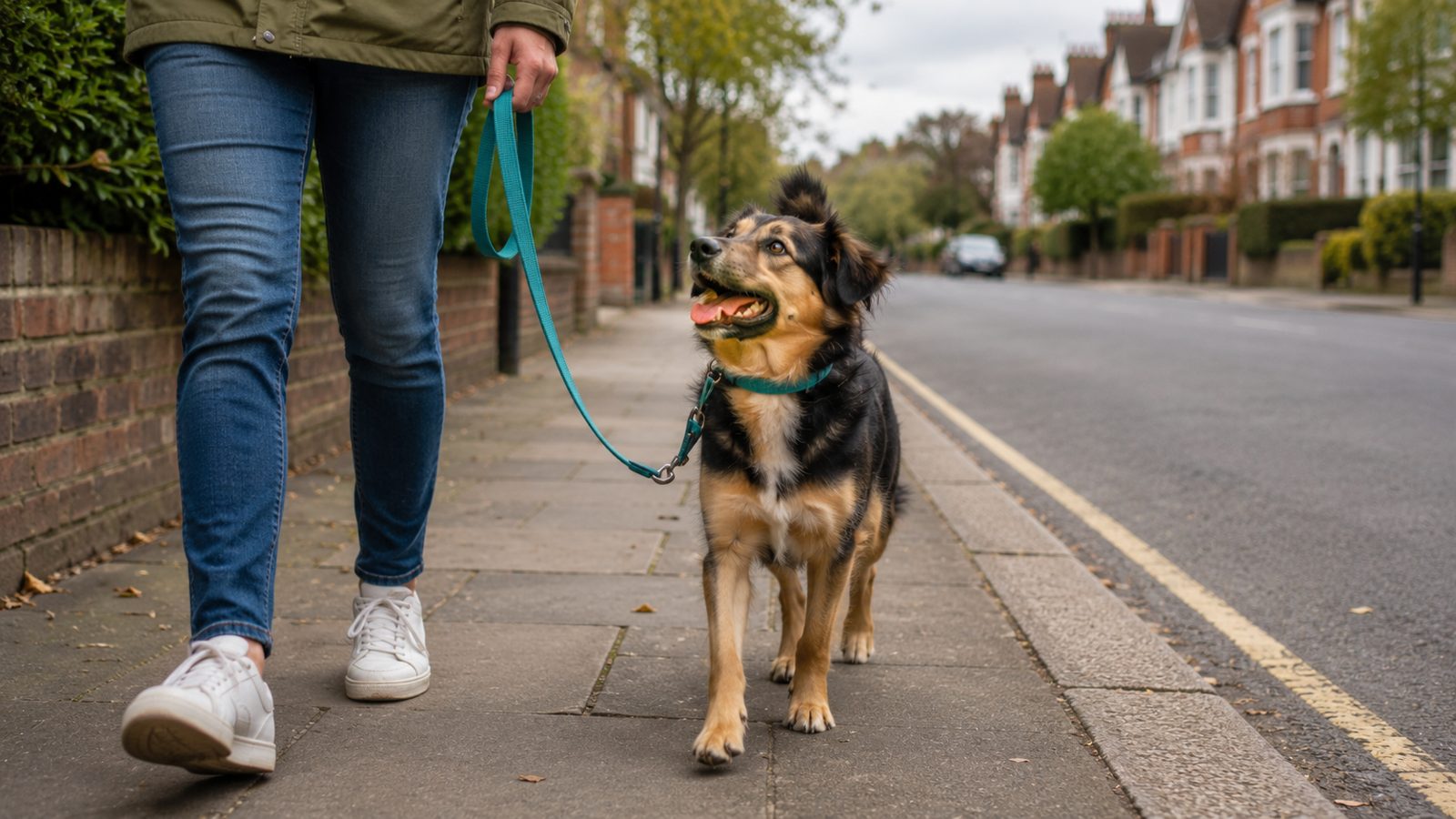
The Road Traffic Act 1988 makes it an offence to allow a dog to be on a "designated road" without being held on a lead — this covers most roads, footways and car parks used by traffic. The Highway Code backs this up directly: Rule 56 says not to let a dog out on the road on its own, and to keep it on a short lead when walking on a pavement, road, or path shared with cyclists or horse riders. In practice, this is the situation that applies to most UK dog owners on most walks, since getting to a park or open field usually means walking along a road or pavement first.
Access Land Between March and July
Under the Countryside and Rights of Way Act 2000, dogs must be kept on a short lead of no more than 2 metres on open access land between 1 March and 31 July each year — this is ground-nesting bird season, and it applies whether or not you can actually see any birds nearby. In coastal margins, dogs are required to be under effective control at all times, year-round, not just during those months.
Around Livestock
The Dogs (Protection of Livestock) Act 1953 makes it an offence to let a dog worry livestock, and in practice this means keeping your dog on a lead or under very close control around fields with sheep or cattle. Farmers are legally entitled to act against a dog that's attacking or chasing their animals, which is a serious enough consequence that it's not worth testing your dog's recall in a field full of sheep.
Local Rules (PSPOs)
Beyond national law, local councils can put their own Public Space Protection Orders in place — requiring leads in specific parks, near playgrounds, or in other marked areas. These vary from council to council, and breaching one can mean an on-the-spot fine of around £100, rising to as much as £1,000 if it goes to court. If you're walking somewhere new, it's worth a quick look at signage or your local council's website before assuming the same rules apply as your usual spot.
Even Off-Lead, "Under Control" Still Applies
None of the above changes the basic principle that a dog owner is responsible for keeping their dog under control, lead or no lead. If a dog that's legally off-lead behaves dangerously — chasing someone, causing an accident, or worrying livestock — the owner can still be liable. Off-lead freedom in a genuinely appropriate space is one thing; assuming "no lead required here" means "no responsibility" is a different thing entirely.
Making the Lead Itself Work Harder
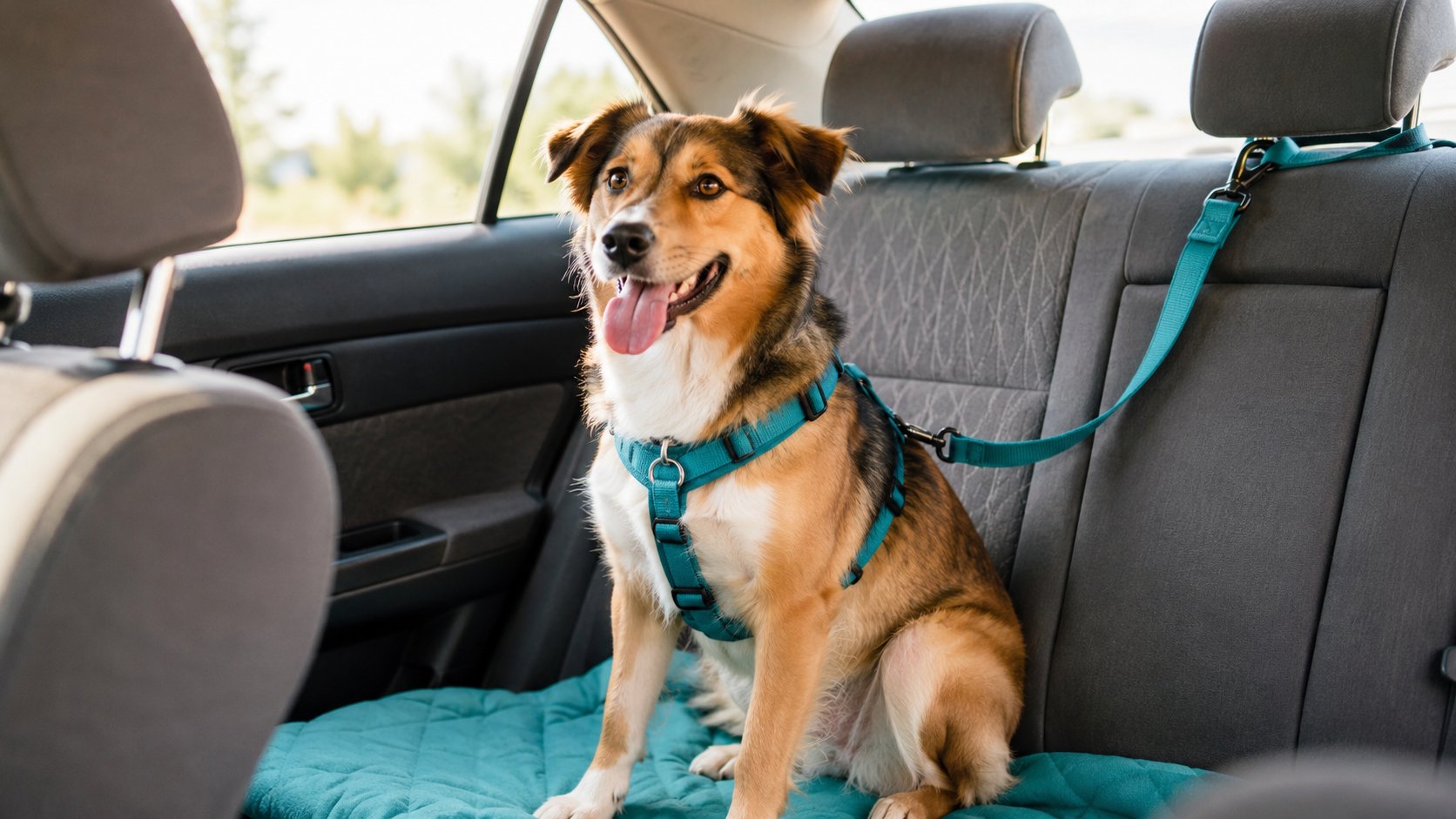
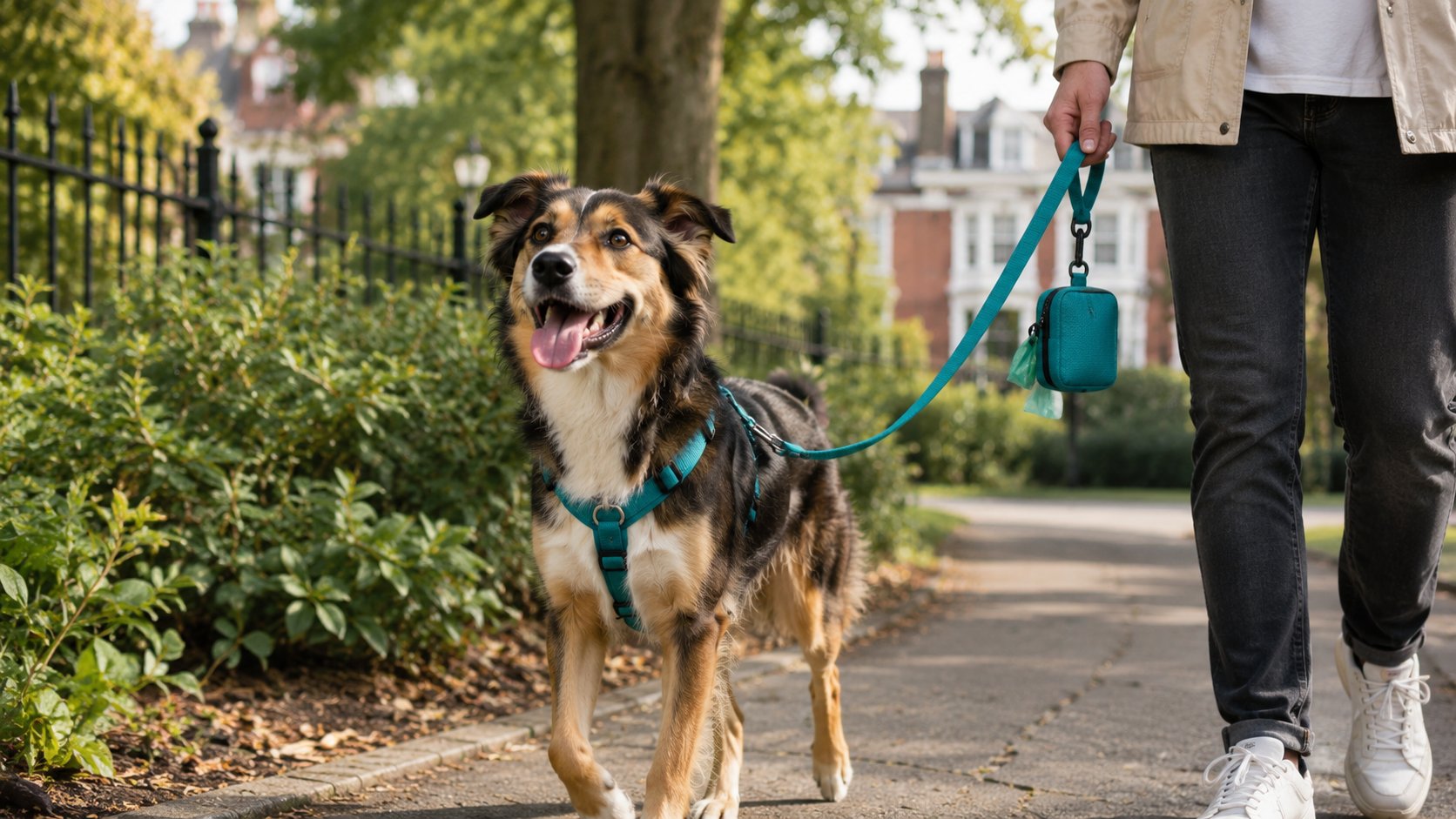
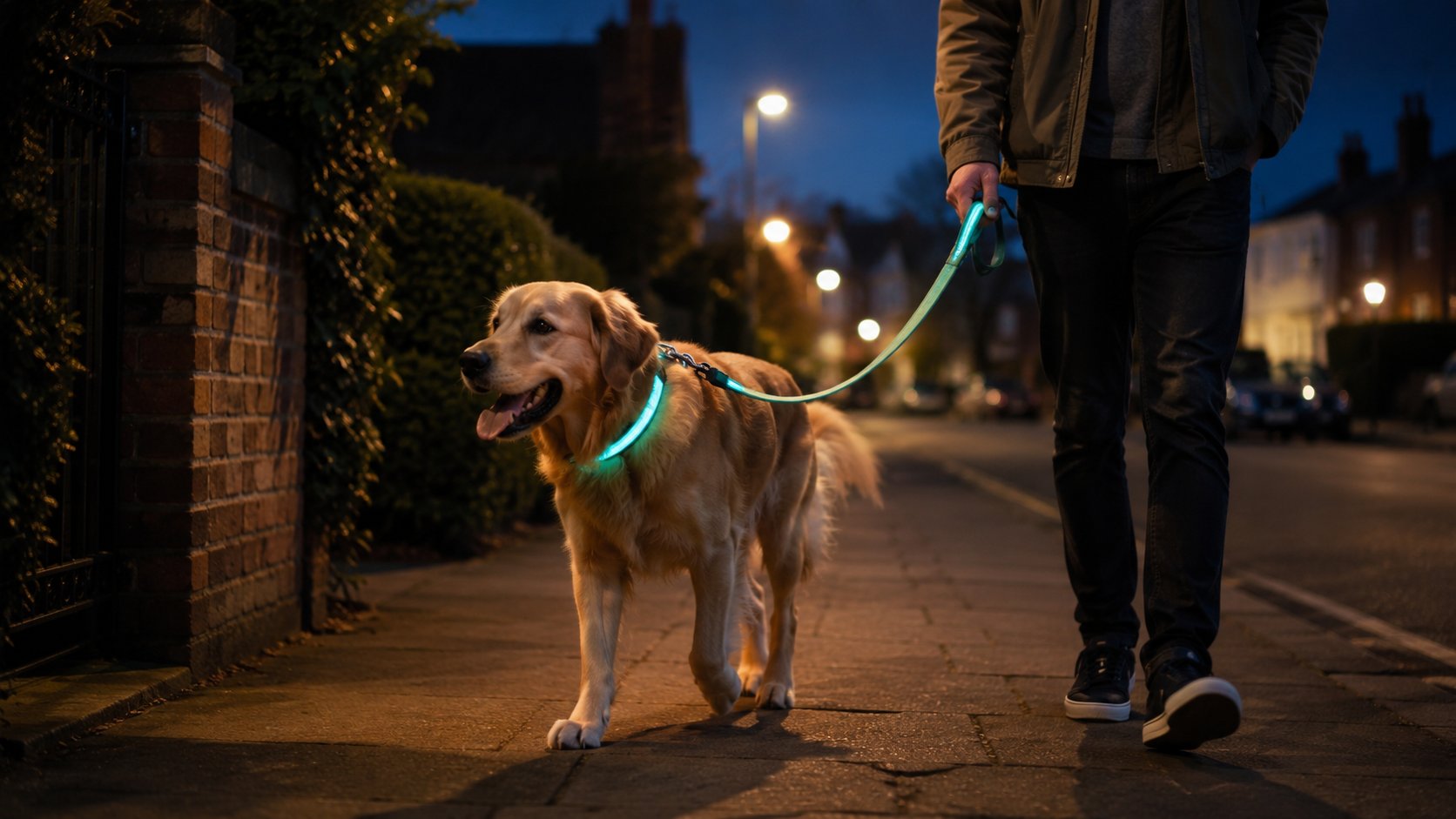
Since so much of UK dog walking does involve a lead — on the way to the park if nowhere else — it's worth having one that actually suits how you walk. For the car journey either side of the walk, the Bora Paw RoamLead doubles as a headrest-mounted restraint for two dogs and a general dual lead, with a shock-absorbing elastic section and 360° anti-tangle swivel that smooths out sudden pulls — useful when you're also managing traffic, other pedestrians, or a pushchair. For early mornings and evenings near roads, the Bora Paw NightLead — Reflective Retractable Dog Lead adds built-in LED lights and reflective tape, which helps drivers see your dog well before they reach the pavement edge (more on that in our guide to walking dogs safely after dark).
The Practical Takeaway
If you're ever unsure, the safest default in the UK is: lead on near roads and traffic, lead on around livestock, lead on (max 2m) on open access land from March to July, and lead on wherever local signage says so. Everywhere else, off-lead is generally fine as long as your dog is genuinely, reliably under your control — not just most of the time, but every time.